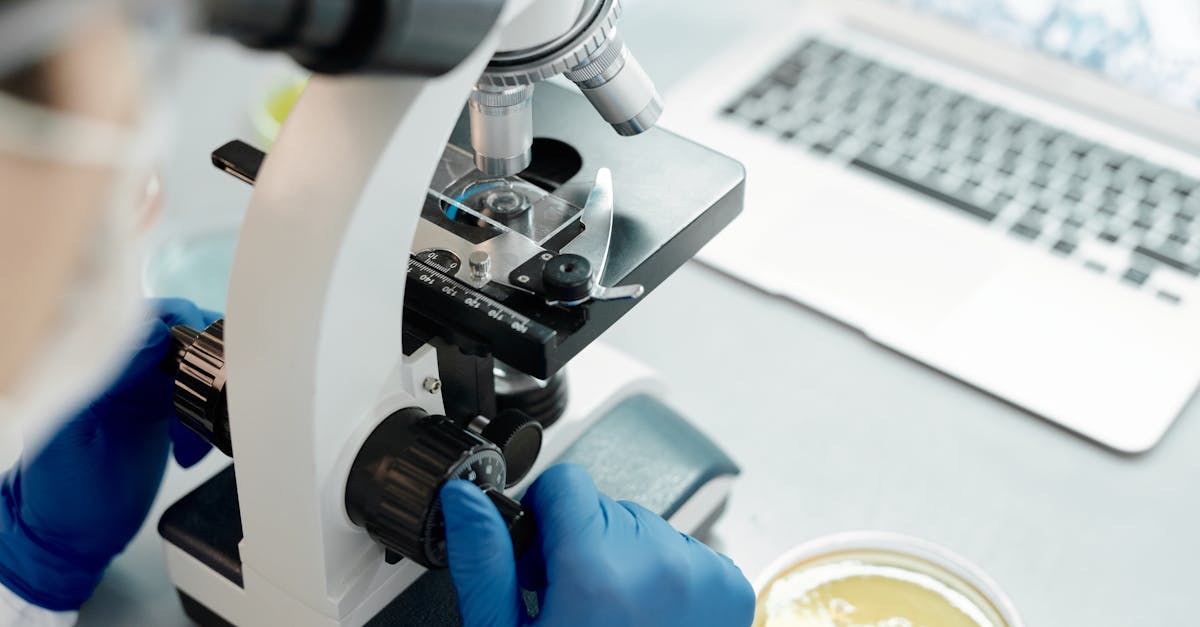

Founded on Scientific Excellence
Harborleaf Hubax was established in Esbjerg with a vision to harness the power of synthetic biology for sustainable innovation. Our founders recognised the immense potential of engineering biological systems to address some of the world's most pressing challenges.
Based in Denmark's thriving biotechnology ecosystem, we combine cutting-edge computational tools with experimental biology to create novel solutions. Our interdisciplinary approach brings together expertise in molecular biology, bioengineering, bioinformatics, and process development.
We're committed to responsible innovation, ensuring that our synthetic biology platforms are developed with safety, sustainability, and societal benefit at the forefront. Our work contributes to the circular economy by creating biological alternatives to traditional manufacturing processes.
How We Develop Synthetic Biology Solutions
Our systematic approach combines computational design with rigorous experimental validation to create reliable biological systems.
- 01
Design & Modelling
We use advanced computational tools to design biological circuits and predict their behaviour. Our models incorporate thermodynamics, kinetics, and regulatory mechanisms to ensure robust system performance before moving to the laboratory.
- 02
Build & Construct
Our molecular biology team constructs the designed biological systems using standardised parts and assembly methods. We employ automated DNA synthesis and assembly platforms to accelerate the construction process whilst maintaining high fidelity.
- 03
Test & Characterise
Rigorous experimental testing validates system performance under various conditions. We use high-throughput screening methods and analytical techniques to characterise biological function and identify areas for improvement.
- 04
Learn & Optimise
Data from testing feeds back into our computational models, enabling iterative improvement. Machine learning algorithms help us identify design principles and optimise system performance for specific applications.
- 05
Scale & Deploy
Successful designs are scaled up through bioprocess engineering and optimisation. We develop robust production processes that maintain performance whilst meeting industrial requirements for cost, quality, and sustainability.